Demographic Influences on Payment Preference Changes in Borderless Gaming Markets
Theo Wolf · Oct 20, 2026
Demographic Influences on Payment Preference Changes in Borderless Gaming Markets
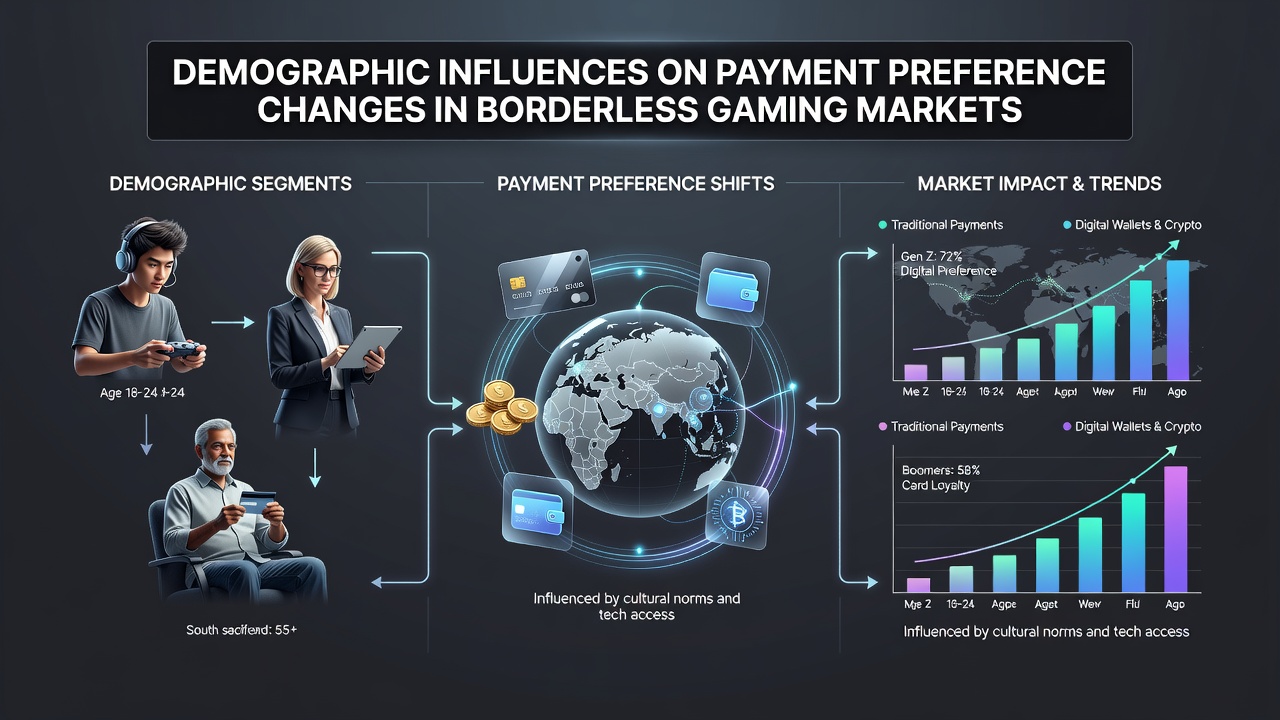
Borderless gaming markets have expanded rapidly as operators serve players across multiple jurisdictions through digital platforms, and payment preferences within these environments show clear shifts tied to demographic variables including age, location, and income levels. Data from industry reports indicate that these patterns emerge consistently when researchers track transaction volumes across platforms that accept users from different countries without physical borders.
Age Groups Driving Shifts in Payment Methods
Younger players aged 18 to 34 demonstrate higher adoption rates for cryptocurrency and mobile wallet options, while users over 45 continue to favor established bank transfers and credit card processing according to aggregated platform analytics compiled through 2026. Studies tracking behavior in cross-border environments reveal that this age-based divide stems from familiarity with digital assets among younger cohorts and established trust in traditional banking infrastructure among older participants. One analysis of transaction logs from operators serving European and Asian markets found crypto usage rising 28 percent year-over-year among the 18-24 segment between January and October 2026, whereas bank wire volumes remained stable among the 55-plus group.
Geographic and Cultural Patterns in Payment Choices
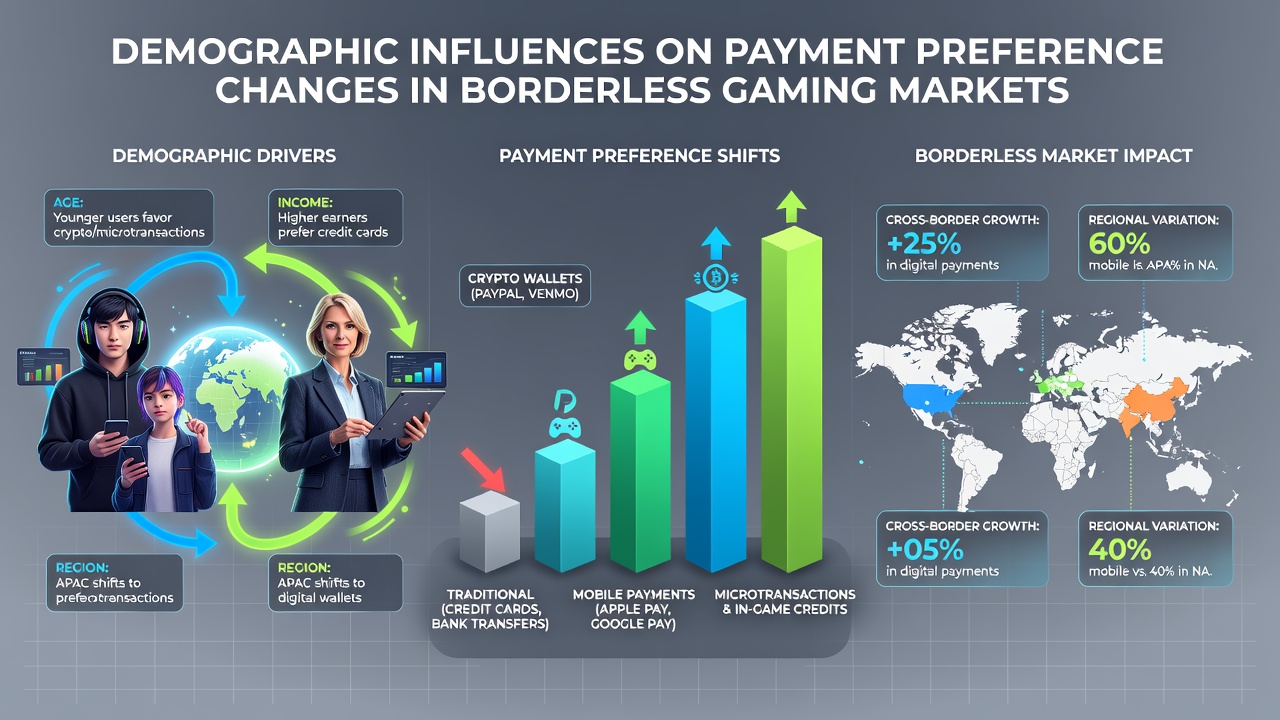
Players in Southeast Asian markets show strong preference for local e-wallet systems integrated with everyday digital services, whereas North American users lean toward credit cards and direct bank links that align with existing financial habits. Research conducted by academic teams at institutions tracking gambling behavior across continents highlights how regulatory environments shape these tendencies, with data from Australian sources indicating that regional payment gateways process higher volumes of instant transfer methods in markets where mobile penetration exceeds 85 percent. Observers note similar variations in Latin American jurisdictions where digital payment apps tied to national banking systems gain traction faster among urban populations with higher smartphone access.
Income Levels and Socioeconomic Influences
Higher-income brackets across borderless platforms exhibit greater flexibility in experimenting with newer payment rails such as stablecoins, while middle-income users stick to methods with lower perceived fees and established consumer protections. Figures released by regulatory bodies in multiple regions show transaction success rates climbing when platforms match payment options to income-driven priorities around speed and cost. Data compiled through mid-2026 further reveals that socioeconomic status correlates with device type, as desktop users in higher brackets complete larger average deposits via wire services compared to mobile-first users who favor app-based solutions.
Trends Observed Through October 2026
Platform operators serving international audiences reported continued migration toward hybrid payment setups that accommodate both traditional and emerging options, with demographic segmentation tools helping match methods to user profiles. Reports from the Australian Communications and Media Authority detail how cross-border traffic patterns shifted after several operators introduced localized wallet integrations, resulting in measurable increases in repeat transaction volumes among specific age and regional cohorts. Industry associations tracking global digital gaming note that these adaptations reflect responses to user data rather than uniform policy changes.
Additional research from European gaming trade groups documents parallel developments where demographic filters applied to payment interfaces improved completion rates across tested markets. Those studying the sector observe that cultural attitudes toward financial privacy also play roles, particularly in regions where data protection regulations differ from North American standards.
Platform Adaptations to Demographic Data
Operators have responded by deploying analytics that segment users by age, location, and transaction history to present tailored payment selections at checkout. Evidence from multiple platform audits shows these adjustments correlate with reduced cart abandonment when options align with documented demographic preferences. Academic papers examining remote wagering applications find that success rates vary significantly when payment gateways account for both generational technology comfort and regional banking infrastructure differences.
Conclusion
Demographic factors continue to shape payment preference evolution within borderless gaming markets through measurable patterns in age, geography, and income distribution. Data collected up to October 2026 illustrates ongoing adjustments by operators seeking to align available methods with documented user behaviors across jurisdictions. Researchers and regulatory bodies tracking these markets provide the figures that reveal how such influences persist as platforms expand their reach.