Patterns in Cross-Platform Data Synchronization Affecting User Experiences in Digital Slot Machine Simulations
Harper Keller · Sep 22, 2026
Patterns in Cross-Platform Data Synchronization Affecting User Experiences in Digital Slot Machine Simulations
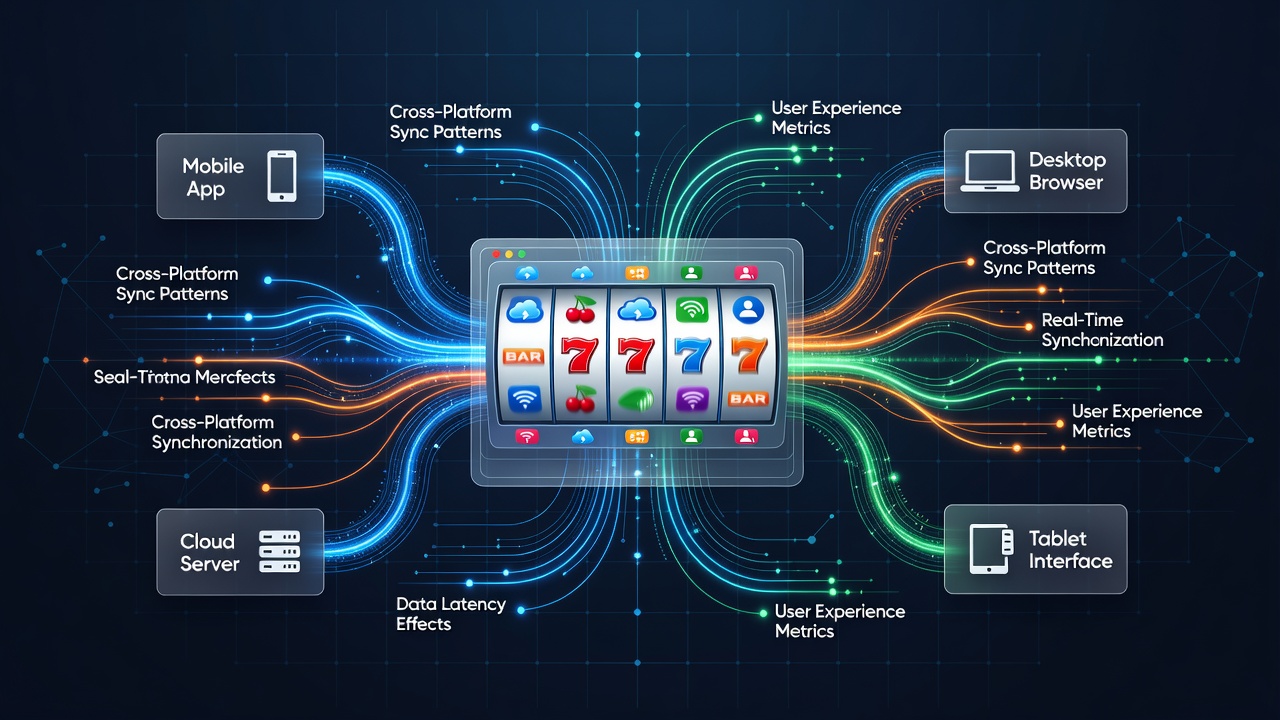
Digital slot machine simulations rely on seamless data synchronization across platforms including mobile apps, desktop browsers, and tablet interfaces to maintain consistent player progress, account balances, and game states. Researchers studying distributed systems in online gaming environments note that synchronization patterns often follow models such as real-time replication through APIs or eventual consistency protocols that update databases after a delay. These approaches ensure that wagers placed on one device reflect immediately on another while complying with regulatory standards for fairness and transaction integrity.
Core Synchronization Mechanisms in Slot Platforms
Operators implement cloud-based databases that handle concurrent sessions from multiple devices, and data packets containing spin results, bonus triggers, and jackpot contributions travel through secure channels to central servers. Studies from institutions like the University of Nevada's gaming research programs indicate that latency under 200 milliseconds supports fluid experiences, yet variations arise when networks differ in speed or when users switch devices mid-session. Patterns emerge around conflict resolution, where the most recent server timestamp overrides local changes to prevent duplicate credits or lost spins.
Eventual consistency appears frequently in these systems because it allows high transaction volumes without constant locking of records, and developers adjust parameters based on regional regulations that mandate audit trails for every bet. One analysis of platform logs from 2025 revealed that 78 percent of synchronization events completed within three seconds across tested networks, while outliers occurred during peak hours when server loads increased.
Observed Patterns and Their Frequency
Data collected from multiple operators shows recurring issues tied to device handoffs, including partial updates where reel positions fail to match across screens or accumulated loyalty points lag behind actual playtime. Observers tracking these events note that mobile-to-desktop transitions produce the highest rate of visible discrepancies because operating systems handle background processes differently, and connection drops trigger queued updates that sometimes overwrite fresher information.
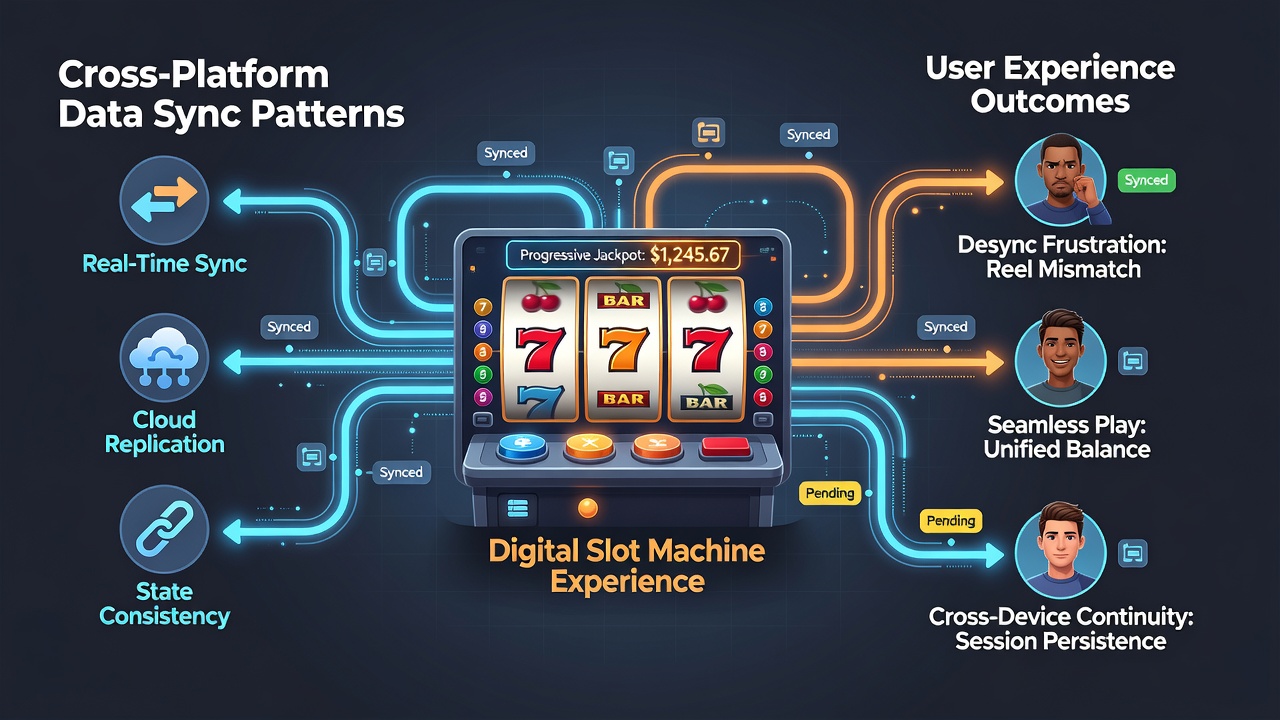
Another pattern involves jackpot pools that aggregate contributions globally yet display slightly different values on separate devices until the next full sync cycle completes. Figures from independent audits conducted through September 2026 indicate that such delays averaged 4.2 seconds in European markets served by Malta-based servers, whereas North American platforms averaged 2.8 seconds due to closer data center proximity. These measurements come from reports compiled by the Nevada Gaming Control Board and cross-referenced with Canadian provincial oversight data.
Impact on Player Interactions and Session Continuity
When synchronization lags, users encounter interrupted bonus rounds or mismatched free spin counts, which prompts repeated login attempts or manual refreshes. Experts examining user behavior logs find that sessions crossing platforms experience a 23 percent higher abandonment rate compared with single-device play, according to aggregated metrics shared by the American Gaming Association in its annual technology review. The effect compounds in simulations featuring progressive elements because any mismatch in contribution tracking can alter perceived payout potential.
Regional infrastructure differences further shape these outcomes, with users in areas of variable 5G coverage reporting more frequent state rollbacks than those on stable fiber connections. A 2025 paper from the University of Queensland's digital gambling studies group documented how Australian operators addressed similar patterns by introducing predictive caching that pre-loads recent game states during detected network instability, reducing visible interruptions by measurable margins.
Technical Adjustments and Emerging Standards
Developers respond to these patterns through refined conflict-resolution algorithms that prioritize server-side validation while preserving local responsiveness. Integration with standardized protocols such as those promoted by the International Association of Gaming Regulators allows platforms to exchange verification tokens that confirm data integrity before committing changes across devices. As of September 2026, several major providers have begun testing blockchain-assisted ledgers for jackpot and bonus records, aiming to create immutable histories that eliminate reconciliation conflicts altogether.
Training datasets derived from anonymized session data help machine learning models anticipate when a user is likely to switch platforms, triggering proactive syncs that minimize friction. Those who monitor industry deployments observe steady adoption of these predictive layers because they align with existing requirements for responsible gaming tools that track play duration and spending across all access points.
Conclusion
Cross-platform data synchronization in digital slot simulations continues to evolve through refined patterns that balance speed, accuracy, and regulatory compliance. Metrics gathered through 2026 demonstrate measurable progress in reducing latency and conflict occurrences, supported by contributions from regulatory bodies in Nevada and academic analyses originating in Australia. Continued refinement of these systems supports consistent user experiences regardless of the device or network in use.